
Introduction:
Buying a used car can be a great way to save money while getting a reliable vehicle. But with used cars, you’re also buying a history—and that history might include hidden issues that aren’t immediately visible during a test drive or inspection. This is where a VIN history report comes in.
A VIN (Vehicle Identification Number) is a unique 17-character code assigned to every vehicle. By decoding the VIN, you can access valuable information about the car’s past, including accidents, ownership, and whether it’s been well-maintained. In this blog, we’ll explore why VIN history reports are crucial when buying a used car and how they can help you make an informed, confident purchase.
Why You Need a VIN History Report
A VIN history report is like a car’s biography, providing you with important details about its background. Here are five reasons why a VIN history report should be part of your used car buying process:
1. Accident History
Accidents can compromise a car’s safety and performance, sometimes in ways that aren’t immediately visible. A VIN history report will tell you whether the car has been in any accidents, the severity of those accidents, and whether the repairs were done correctly. This helps you avoid buying a car with hidden structural or safety issues that could affect your driving experience and safety.
2. Odometer Readings
Odometer fraud is a serious issue in the used car market. Sellers may tamper with the odometer to make a car seem like it has fewer miles than it actually does. This is where a VIN history report is invaluable. By decoding the VIN, you can confirm the car’s mileage history. If there are inconsistencies or unusually low readings for the car’s age, you can spot potential fraud or hidden issues.
3. Title Issues
A clean title means the car hasn’t been declared a total loss by an insurance company. However, cars involved in accidents or suffering significant damage may have a salvage title or rebuilt title. These titles indicate that the car was written off and potentially repaired. A VIN history report will show whether the car has a clean title or if it’s been labeled as salvage or rebuilt. This information can save you from buying a car with significant, unresolved issues.
4. Previous Owners
The number of previous owners can tell you a lot about a car. If the car has had several owners in a short period, it could be a sign of recurring issues that led previous owners to sell. A VIN history report provides insights into the car’s ownership history, helping you gauge how well the vehicle has been cared for and whether it might have hidden problems.
5. Service Records
Regular maintenance is key to a car’s longevity and performance. A VIN history report can show whether the car has been consistently maintained, including things like oil changes, brake inspections, and major repairs. If the car has a history of regular maintenance, it’s a good sign that it’s been well taken care of. On the other hand, a lack of service records could indicate neglect and may signal future repair costs.
How to Get a VIN History Report
Now that you understand the importance of a VIN history report, let’s go over how to get one:
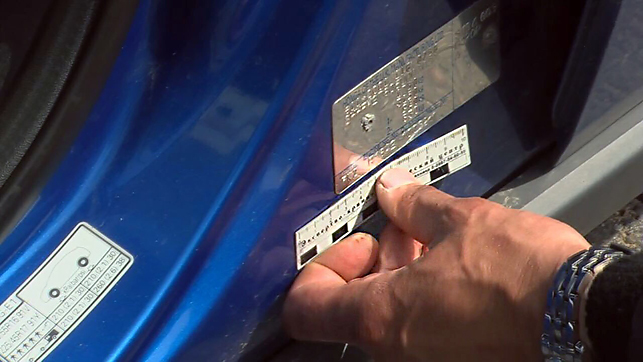
- Find the VIN: You can typically find the VIN on the dashboard near the windshield, on the driver’s side door frame, or on your vehicle registration/insurance card. The VIN is always 17 characters long.
- Use an Online VIN Decoder: There are plenty of websites that offer VIN decoding and history reports. Some are free, but more detailed reports may come with a small fee.
- Enter the VIN: Simply type or paste the VIN into the website’s search box.
- Review the Report: In seconds, you’ll get a breakdown of the car’s specifications, history, and sometimes additional information like accident reports or service records.
For a more thorough history, it’s worth paying for a detailed report, especially if you’re making a significant purchase.
Conclusion
Buying a used car without knowing its full history is risky. A VIN history report gives you important information about the vehicle’s past, including accidents, title issues, mileage discrepancies, and maintenance records. This allows you to make a more informed decision, avoid potential pitfalls, and feel confident in your purchase.
By using a VIN history report, you can uncover hidden issues that might cost you in the long run. Before buying your next used car, make sure to get a VIN history report. It’s a small investment that can protect you from making a big mistake.